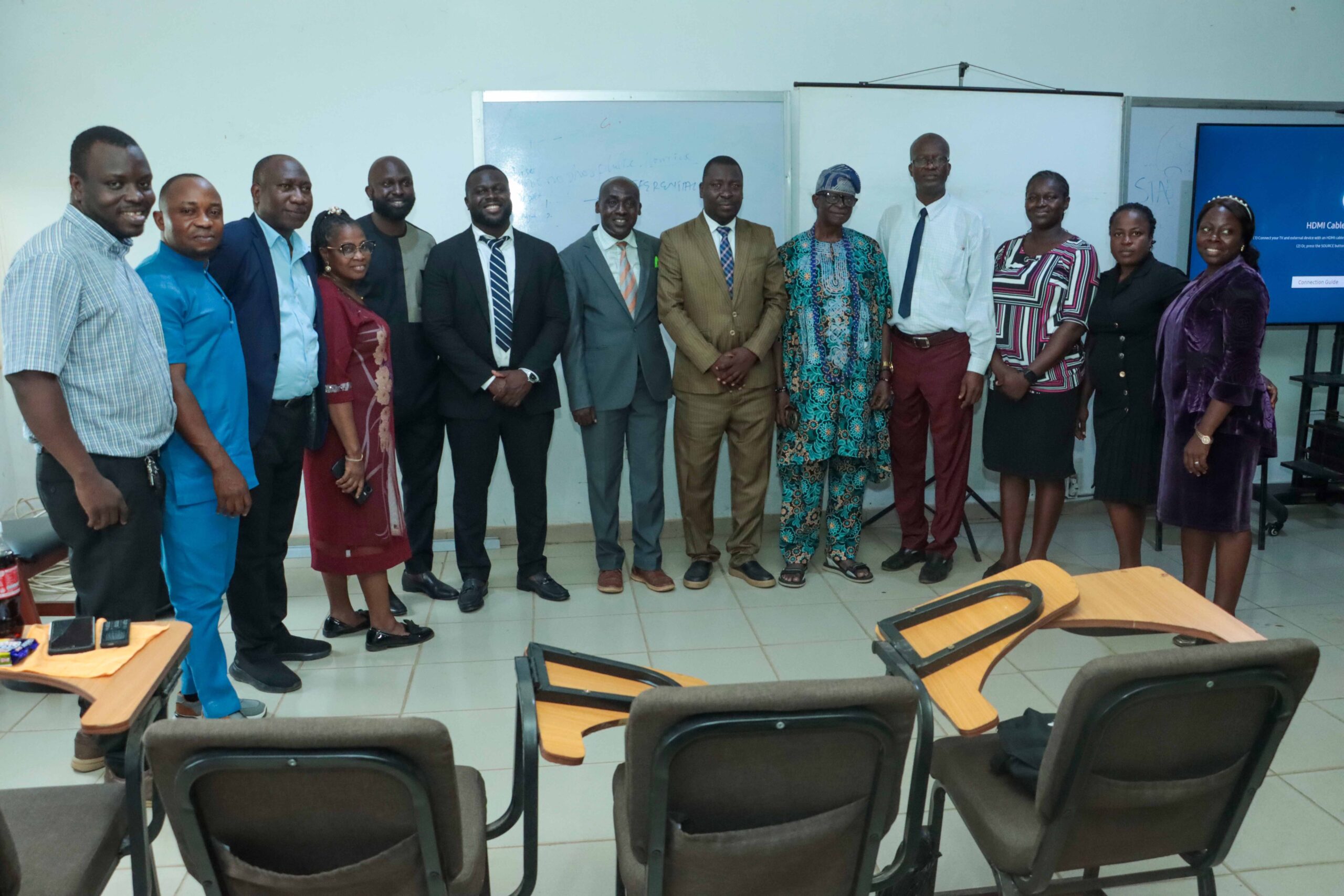
The Emergency Medicine Department of the Obafemi Awolowo University Teaching Hospitals Complex (OAUTHC), Ile-Ife, organised a one-day Professional Development Programme on June 3, 2026, at the Seminar Room of the Dental Centre. The programme was themed “The Systematic Approach to Cardiopulmonary Resuscitation (CPR).”
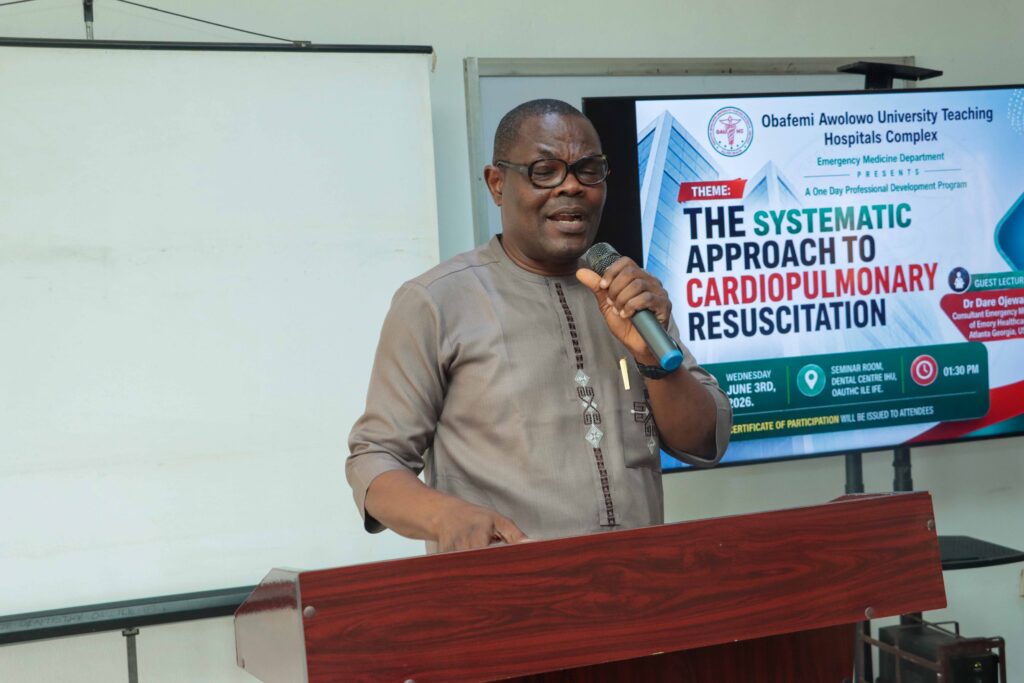
In his opening remarks, the Management Representative and Physician-in-Charge of Phase III, Prof. Elijah Oyetola, expressed the management’s delight at the organisation of the training programme. He noted that the initiative would further educate healthcare workers on the importance of Cardiopulmonary Resuscitation in saving lives during emergencies.
Prof. Oyetola also commended the initiator of the programme, Prof. Dare Esan, and appreciated the presence of the guest speaker, whose vast experience in Emergency Medicine would contribute significantly to strengthening emergency care services within the hospital.
Delivering a brief remark, the former Head of the Emergency Medicine Department, Dr. Akintunde Olowookere, described the department as the first point of contact for many patients entering the hospital, where prompt response to emergencies is often critical. He emphasised the importance of CPR training, noting that sudden collapse and cardiac arrest can occur anywhere and at any time. According to him, immediate CPR can sustain life until the victim receives advanced medical care.
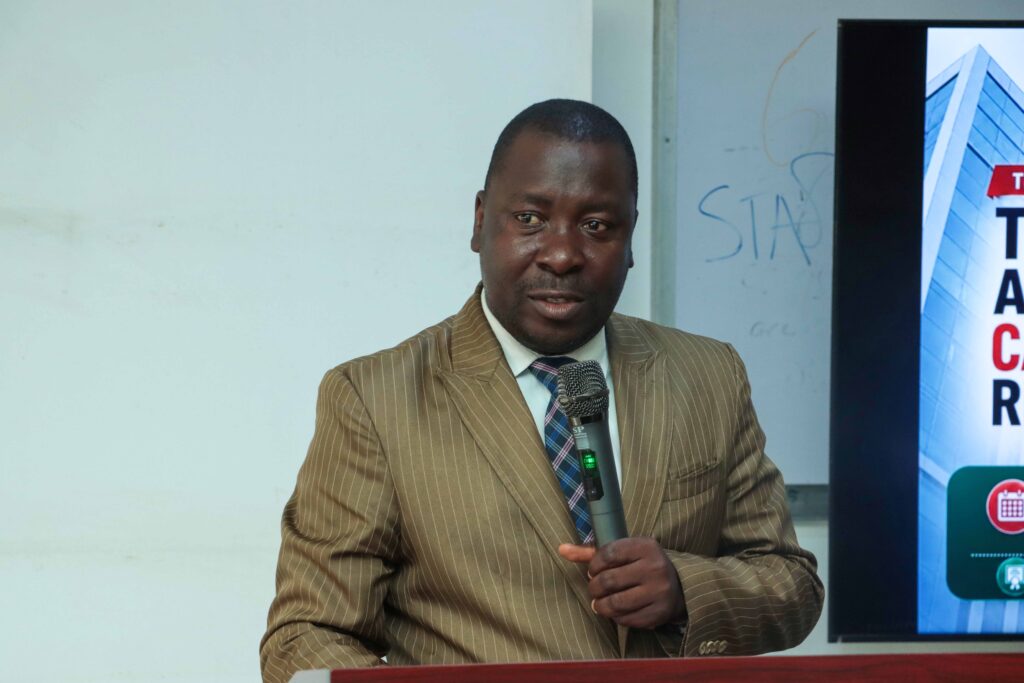
The guest speaker, Dr. Dare Ojewale, a Consultant in Emergency Medicine at Emory Healthcare, Atlanta, Georgia, USA, delivered the lecture on the programme’s theme. He began by asking participants what comes to mind when CPR is mentioned and discussed the appropriate response when someone suddenly collapses, faints, or experiences cardiac arrest.
Dr. Ojewale stressed the need for a systematic approach to resuscitation and highlighted key steps in the Advanced Cardiovascular Life Support (ACLS) protocol. These include ensuring scene safety, checking responsiveness and pulse within 10 seconds, calling for emergency assistance, obtaining an Automated External Defibrillator (AED), identifying the patient’s heart rhythm, initiating CPR, using an AED as soon as possible, and continuing CPR until professional help arrives or the patient recovers.
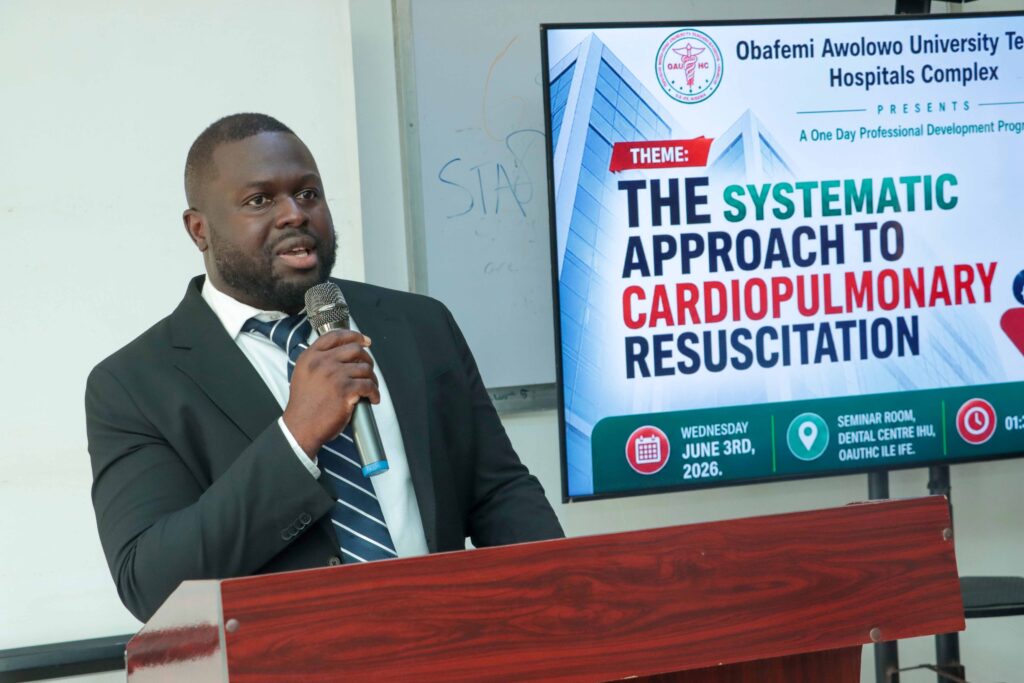
He further explained the importance of understanding a patient’s cardiac rhythm, as it provides critical information about the patient’s condition and guides appropriate intervention. He also highlighted the significance of both primary and secondary assessments in the ACLS approach.
According to him, the primary assessment focuses on the patient’s immediate condition, including Airway, Breathing, Circulation, Disability, and Exposure (ABCDE). The secondary assessment, on the other hand, seeks to identify the underlying causes of the patient’s condition by reviewing medical history and events leading up to the emergency. He emphasised that when CPR is performed correctly and promptly, it significantly increases the chances of survival.
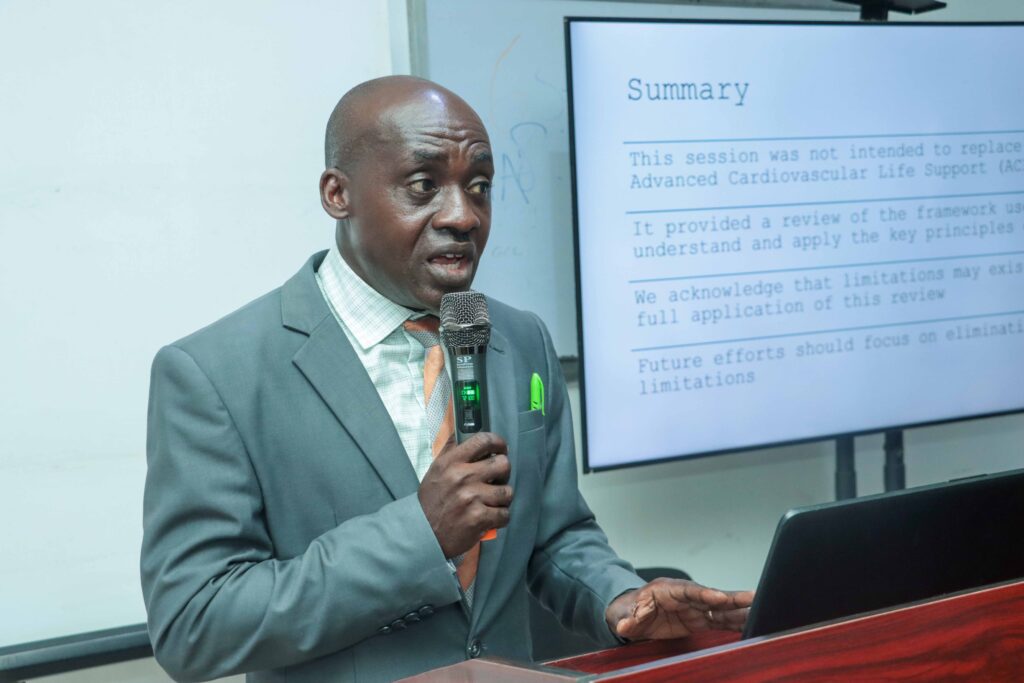
In his closing remarks, the Head of the Emergency Medicine Department, Dr. Michael Daramola, expressed appreciation to the guest speaker and extended gratitude to alumni of Obafemi Awolowo University (OAU) and OAUTHC for their continued commitment to giving back to the institution through training and capacity-building initiatives. He stressed the need to further strengthen the Emergency Medicine Department and encouraged participants to continuously develop their CPR and emergency response skills.
A major highlight of the event was the presentation of an Award of Recognition and Appreciation to Dr. Ojewale in recognition of his contributions to the development of a high-quality emergency medical system at OAUTHC.
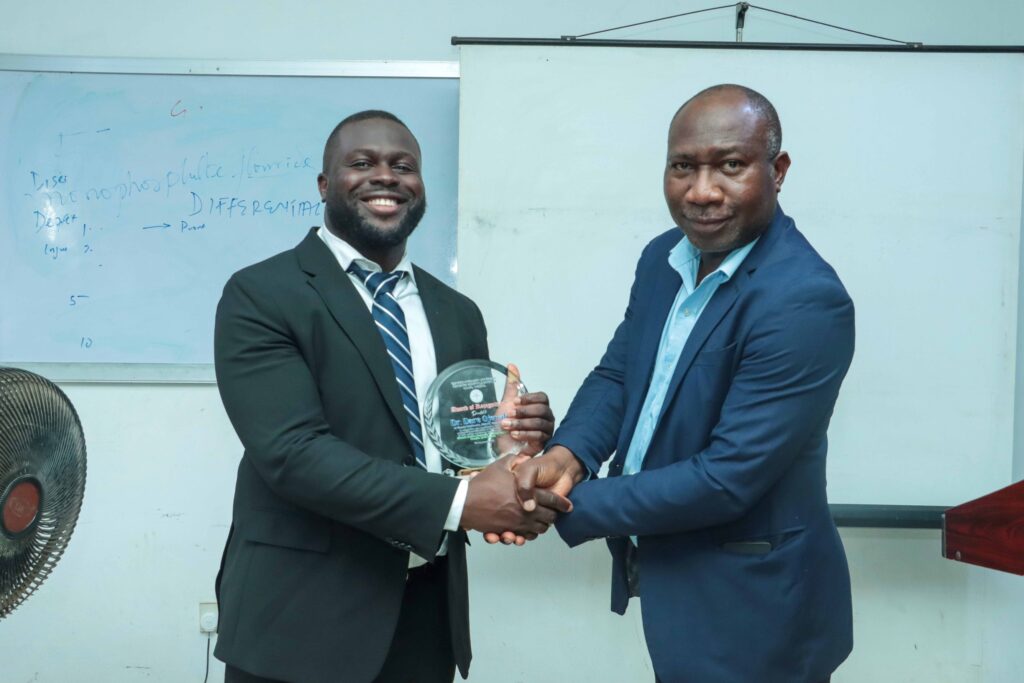
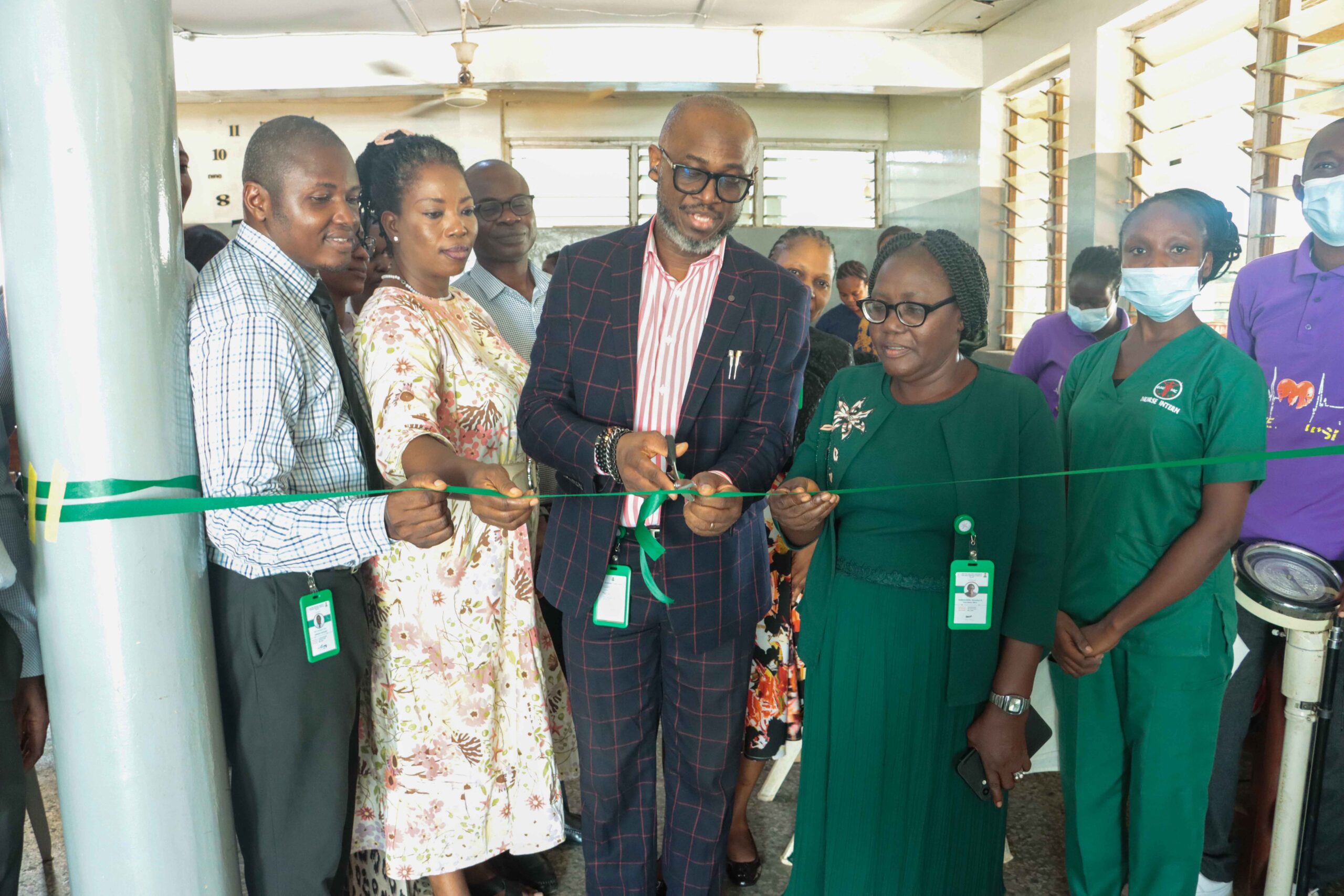
In return, Dr. Ojewale donated medical resuscitation kits to the Emergency Medicine Department to support emergency care services within the hospital.
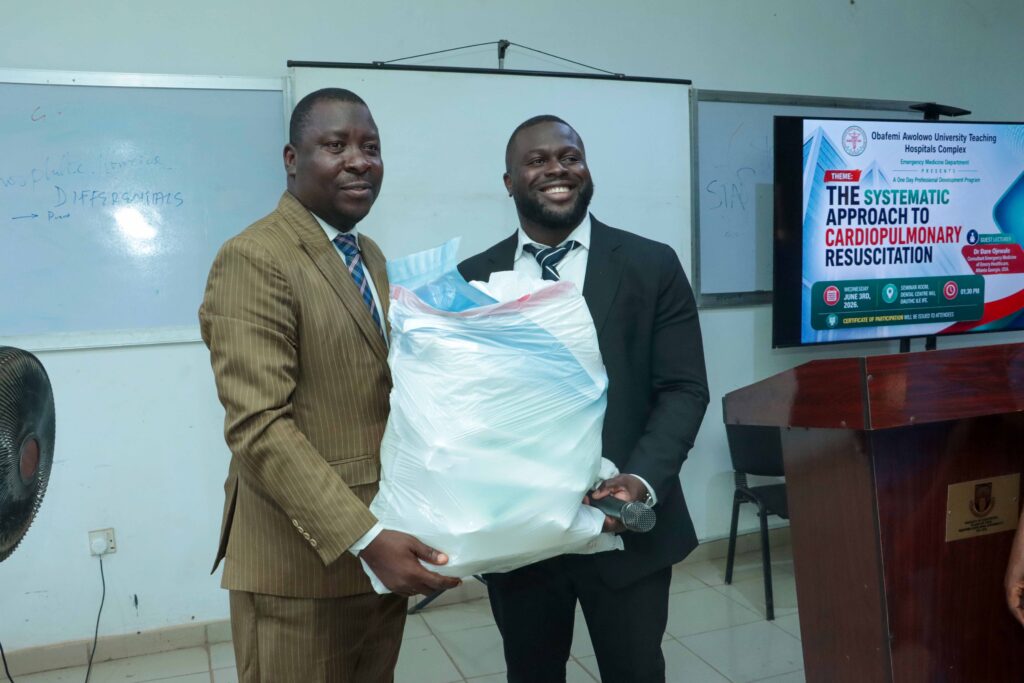
Photo credit; Funminyi Jayeoba