

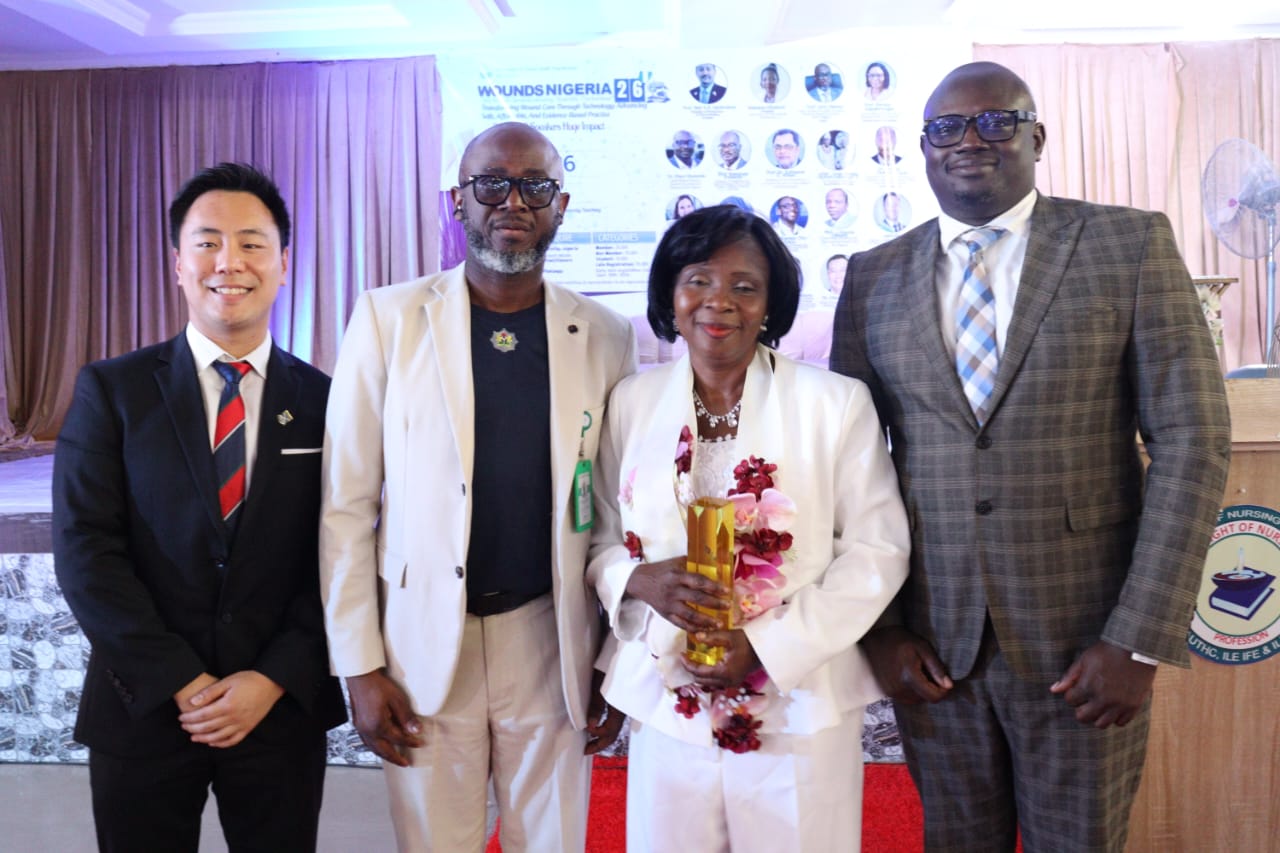

The Obafemi Awolowo University Teaching Hospitals Complex (OAUTHC), Ile-Ife, hosted the 3rd Annual General Meeting (AGM) and Scientific Conference of the Association of Tissue Health Practitioners, Nigeria (Wounds Nigeria), from Monday, 19th to Wednesday, 21st October 2026, at the Nightingale Hall, OAUTHC. The conference, themed “Transforming Wound Care Through Technology: Advancing Safe, Affordable, and Evidence-Based Practice,” brought together healthcare professionals, researchers, educators and international participants to explore innovations and best practices in wound management.
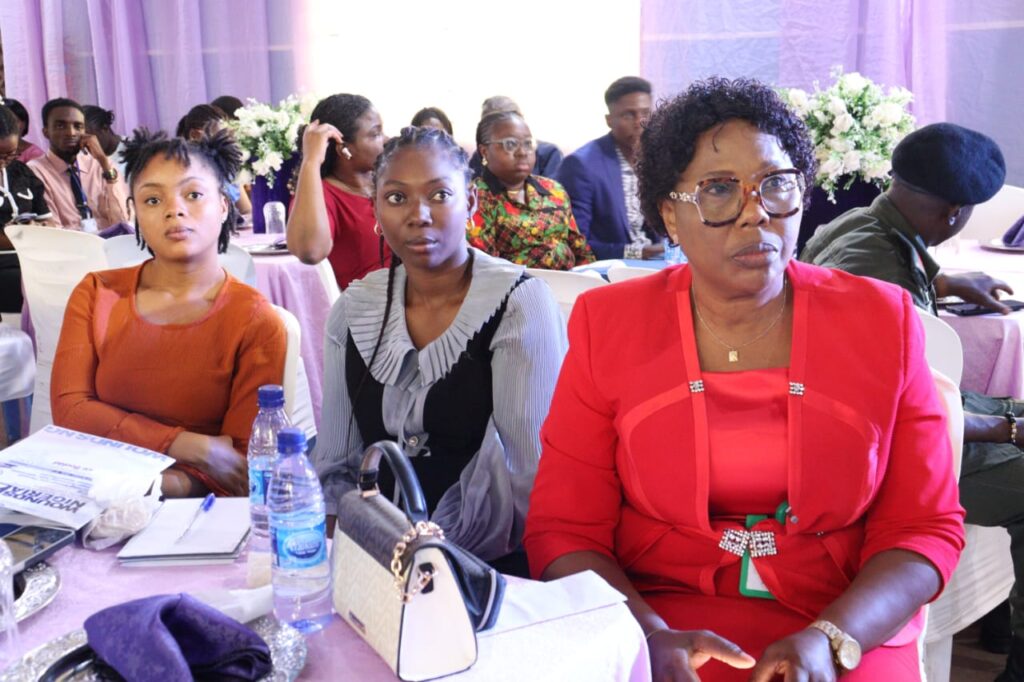
In his welcome address, the Chief Medical Director, OAUTHC, Prof. John Okeniyi, emphasised the need to transform wound care through safe, affordable and evidence-based technological innovations. He stressed the importance of developing locally appropriate solutions, strengthening clinical practice through research and multidisciplinary collaboration, and improving patient outcomes through early assessment and effective wound management.
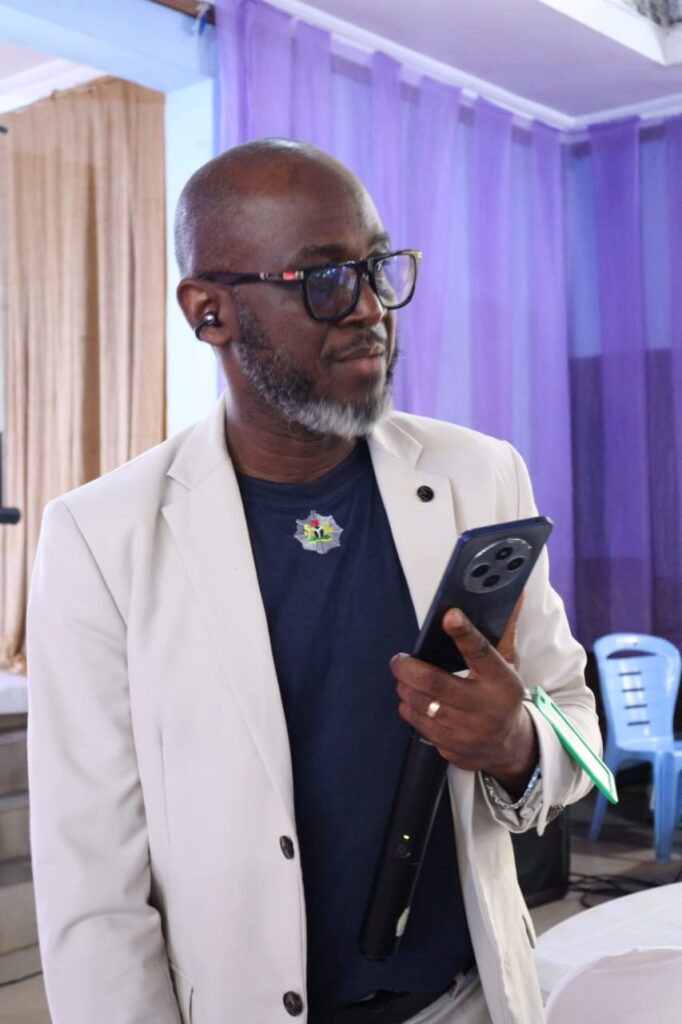
Prof. Okeniyi commended the conference organisers, sponsors and partners for their contributions, particularly the provision of free wound assessment and treatment for volunteer patients. He reaffirmed OAUTHC’s commitment to advancing wound care services, training and research.
In her address, the President of the Association, Mrs Elizabeth Babalola, welcomed participants and expressed appreciation to OAUTHC for hosting the conference and supporting efforts to advance wound care practice in Nigeria. She underscored the importance of professional collaboration, knowledge-sharing and continuous training in improving wound management.
Mrs Babalola encouraged participants to embrace emerging technologies, evidence-based practices and innovative approaches to wound healing. She noted that stronger partnerships among healthcare professionals were essential to addressing the challenges associated with acute and chronic wounds. She expressed optimism that the conference would strengthen professional capacity, promote effective wound care practices and contribute to improved patient outcomes nationwide.
As part of efforts to strengthen wound management services at OAUTHC, Mrs Babalola launched a multidisciplinary wound care initiative involving relevant departments across the hospital. The initiative is designed to promote collaboration among healthcare professionals, encourage shared clinical decision-making and ensure that patients with acute and chronic wounds receive coordinated, comprehensive and timely care.
Through the initiative, professionals from different specialties will contribute their expertise to wound assessment, diagnosis, treatment planning, infection prevention, nutritional support, rehabilitation and continuous patient monitoring.
The scientific programme featured presentations on various aspects of wound management, including the burden of diabetic foot ulcers in South Africa and the way forward, diabetic foot ulcer management, and a retrospective audit of a collaborative rural high-risk foot service.
The Chairman of the Local Organising Committee (LOC), Mr Demilade Omotoyinbo, described the conference as an important platform for healthcare professionals to exchange knowledge, share experiences and explore innovative approaches to wound management. He encouraged participants to engage actively in the scientific sessions and apply the knowledge gained to improve clinical practice, strengthen professional collaboration and promote safe, affordable and evidence-based wound care across the country.
In his lecture titled “The Role of Primary Care in Managing Acute and Chronic Wounds,” Dr Oludayo Olosunde identified primary healthcare as the frontline for assessing and managing acute wounds. He highlighted the importance of recognising major categories of chronic wounds, providing appropriate treatment and ensuring timely referral to specialist services.
Dr Olosunde also emphasised the role of primary healthcare practitioners in early intervention, patient education and continuous monitoring to prevent complications and improve recovery.
Other presentations delivered virtually examined the introduction of instant total contact casting for diabetic foot ulcers in resource-limited settings, the historical evolution of wound care practices and challenges in Nigeria, and the psychosocial burden of chronic wounds on patients’ mental health.
The sessions also addressed the fundamentals of wound assessment through a systematic approach to wound evaluation, the establishment of tissue viability services, and strategies for extending safe and effective wound care beyond hospital settings through home-based care.
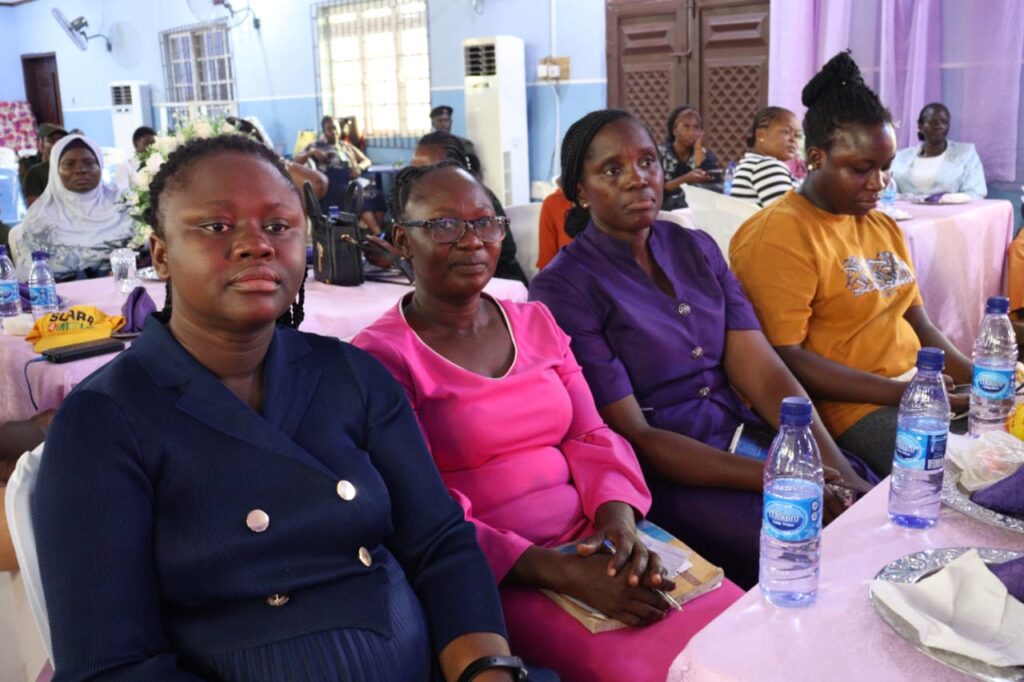
The conference reaffirmed the importance of technological innovation, multidisciplinary collaboration and evidence-based practice in advancing wound care in Nigeria. The newly launched multidisciplinary wound care initiative at OAUTHC is expected to strengthen coordination among healthcare professionals, promote timely and effective treatment, and improve care for patients with acute and chronic wounds.
The knowledge shared during the conference is expected to support the development of practical, affordable and sustainable wound management strategies that promote patient safety, facilitate healing and improve healthcare outcomes across the country.
Photo Credit: Umar Balogun