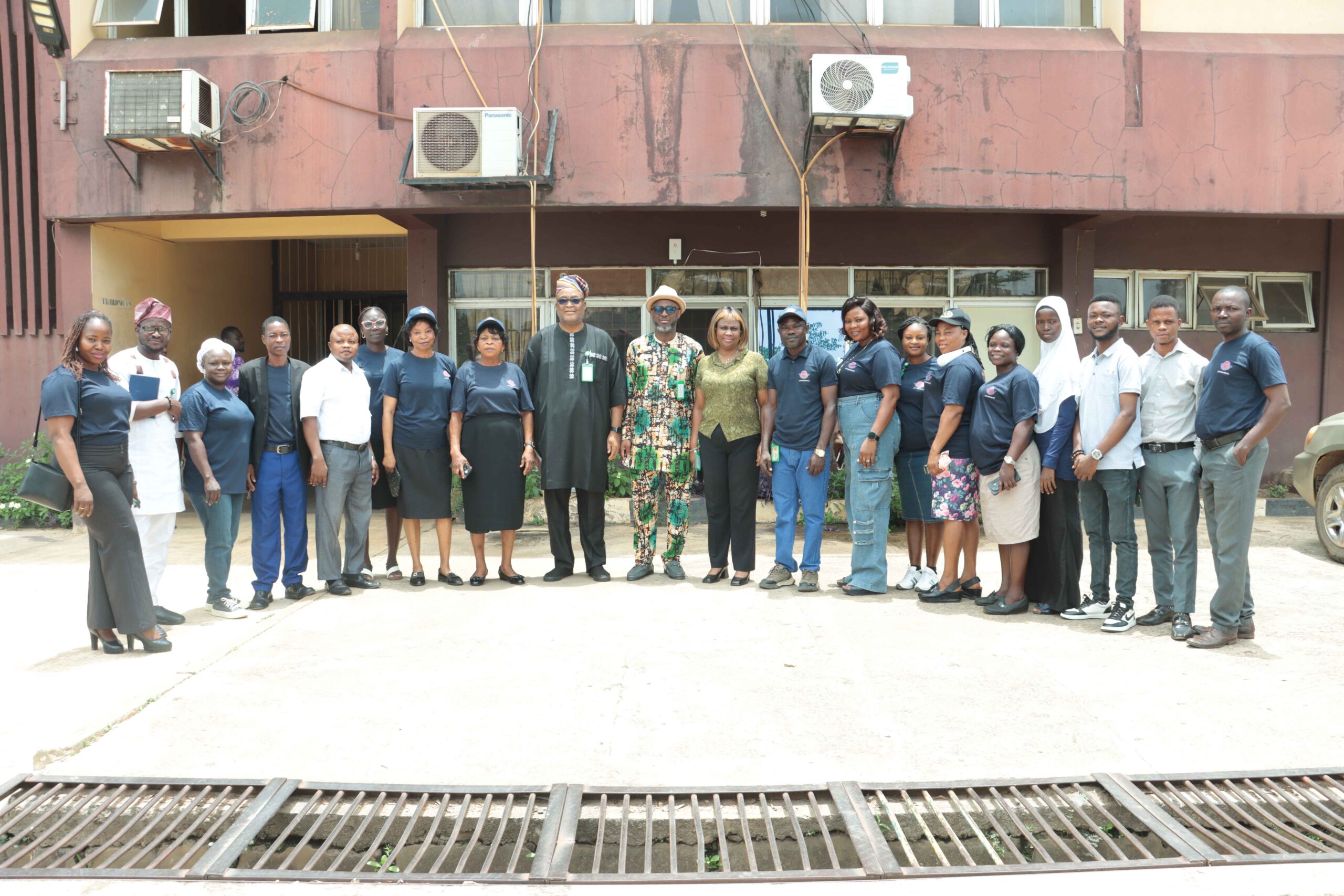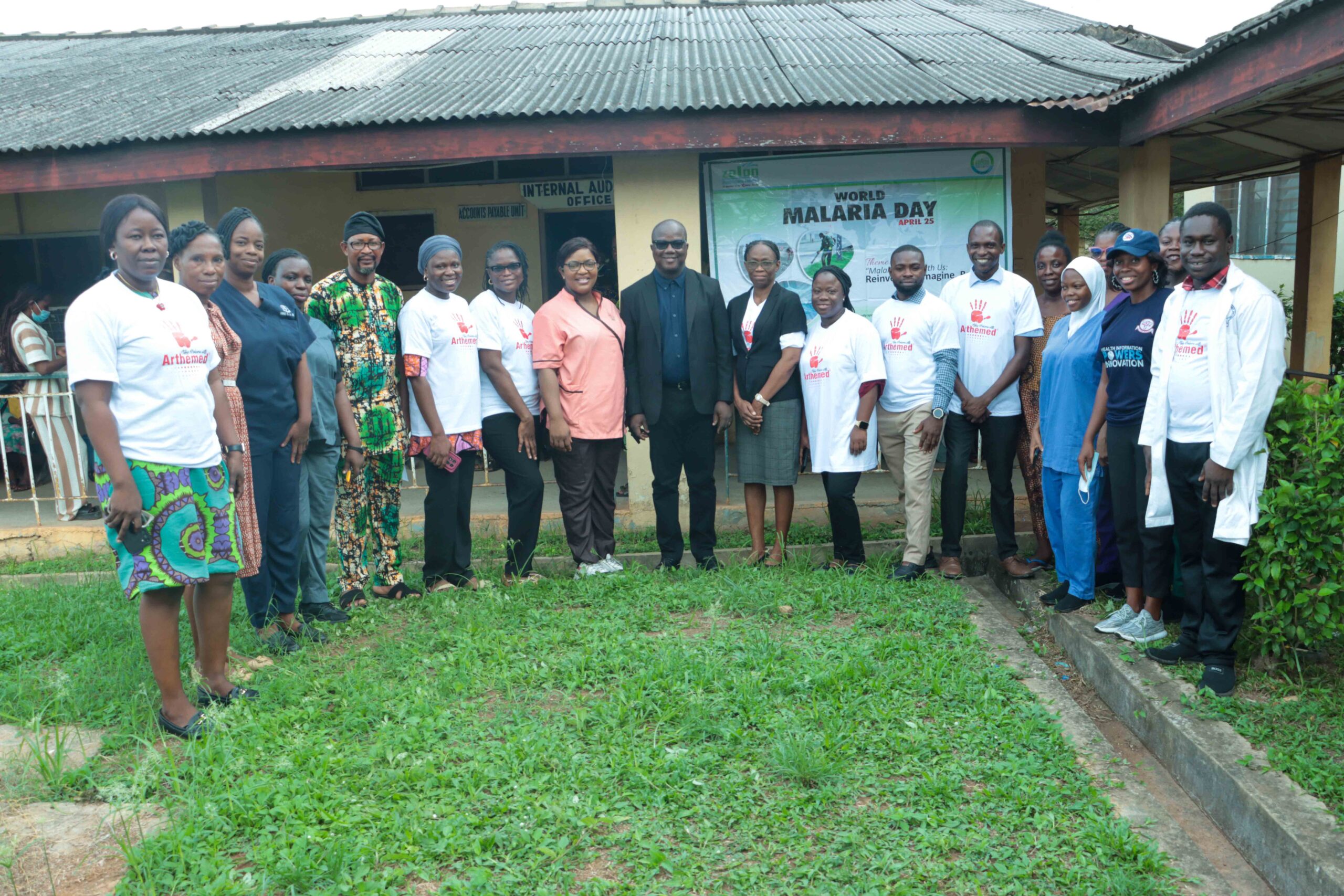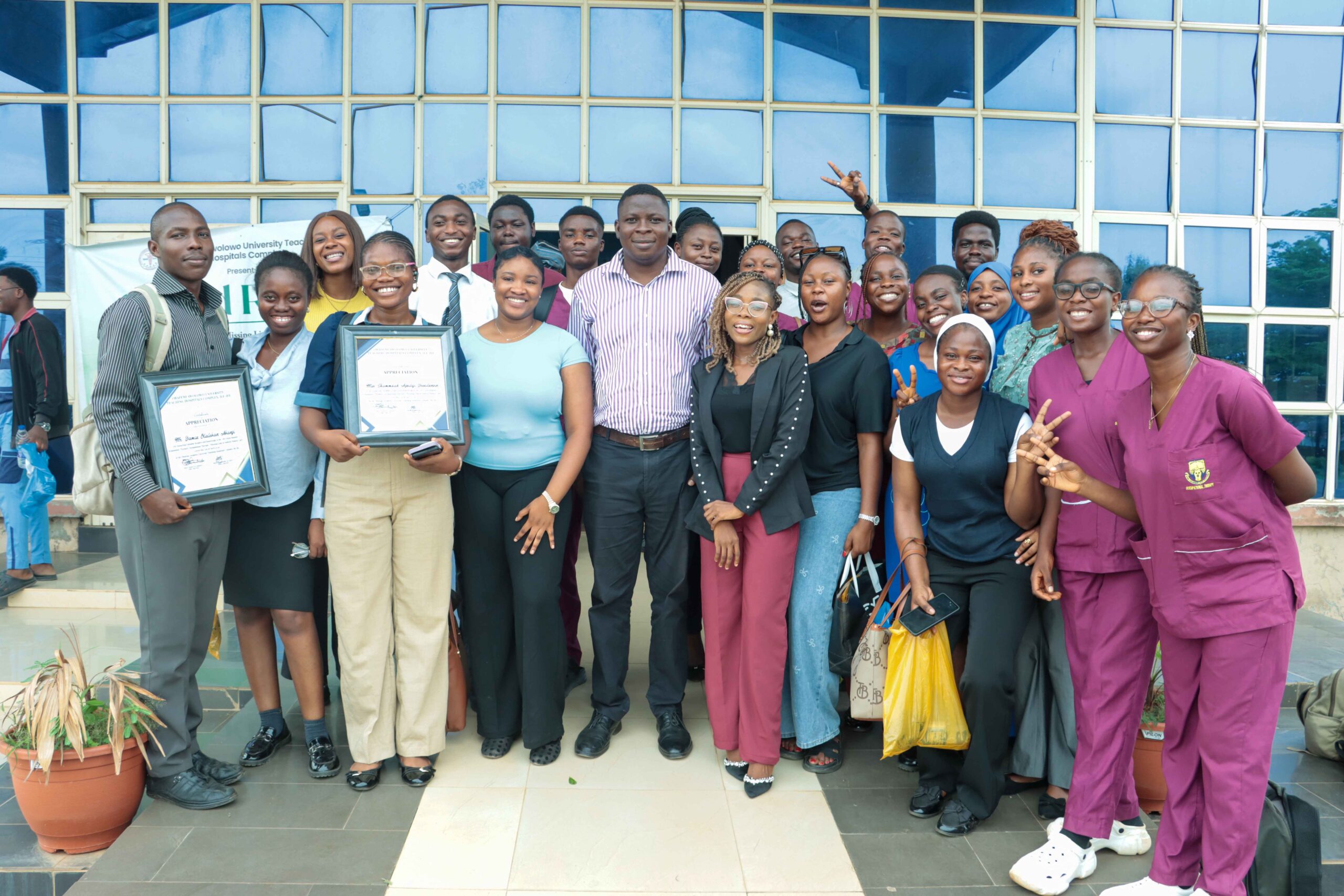
The Obafemi Awolowo University Teaching Hospitals Complex (OAUTHC), Ile-Ife, on April 21th, 2026, held its 7th Grand Round, with a strong call for the integration of occupational therapy into mainstream healthcare delivery.
The event, themed “Occupational Therapy: Missing Link in Holistic Patient Care,” drew clinicians, researchers, and healthcare workers who gathered to examine the role of occupational therapy in improving patient outcomes.

In his opening remarks, the Chief Medical Director, Prof. John Okeniyi, described the grand round as more than an academic exercise, noting that it was a critical exploration of a discipline often overlooked despite its transformative impact on patient care.

He stressed that healthcare goes beyond treating diseases to restoring dignity, independence, and hope, adding that recovery remains incomplete without reintegrating patients into meaningful daily living.
“Medicine may save lives, but occupational therapy gives life meaning,” he said, emphasising that the discipline bridges the gap between survival and purposeful living.
The first presenter, Shammuah Jesudunsin, challenged participants with a key question: Do patients truly return to their daily lives or merely achieve medical stability?

Citing the World Health Organization definition of health, she explained that true recovery involves complete physical, mental, and social well-being, not just the absence of disease.
She described occupational therapy as a client-centred profession that promotes independence through everyday activities, noting that it addresses physical, cognitive, sensory, and environmental barriers affecting patients across all stages of life.
According to her, occupational therapy serves as a clinical bridge between hospital discharge and independent living, ensuring patients regain functionality and quality of life.
The second speaker, Olalekan Akanji, Head of Occupational Therapy of the hospital, highlighted the wide scope of the profession across healthcare units.

He explained that occupational therapy plays vital roles in neurology, orthopaedics, intensive care, oncology, and mental health, adding that it complements physiotherapy in restoring patient independence.Mr Akanji also identified challenges facing the practice, including late referrals and limited integration into clinical workflows, advocating early involvement of occupational therapists in patient care.