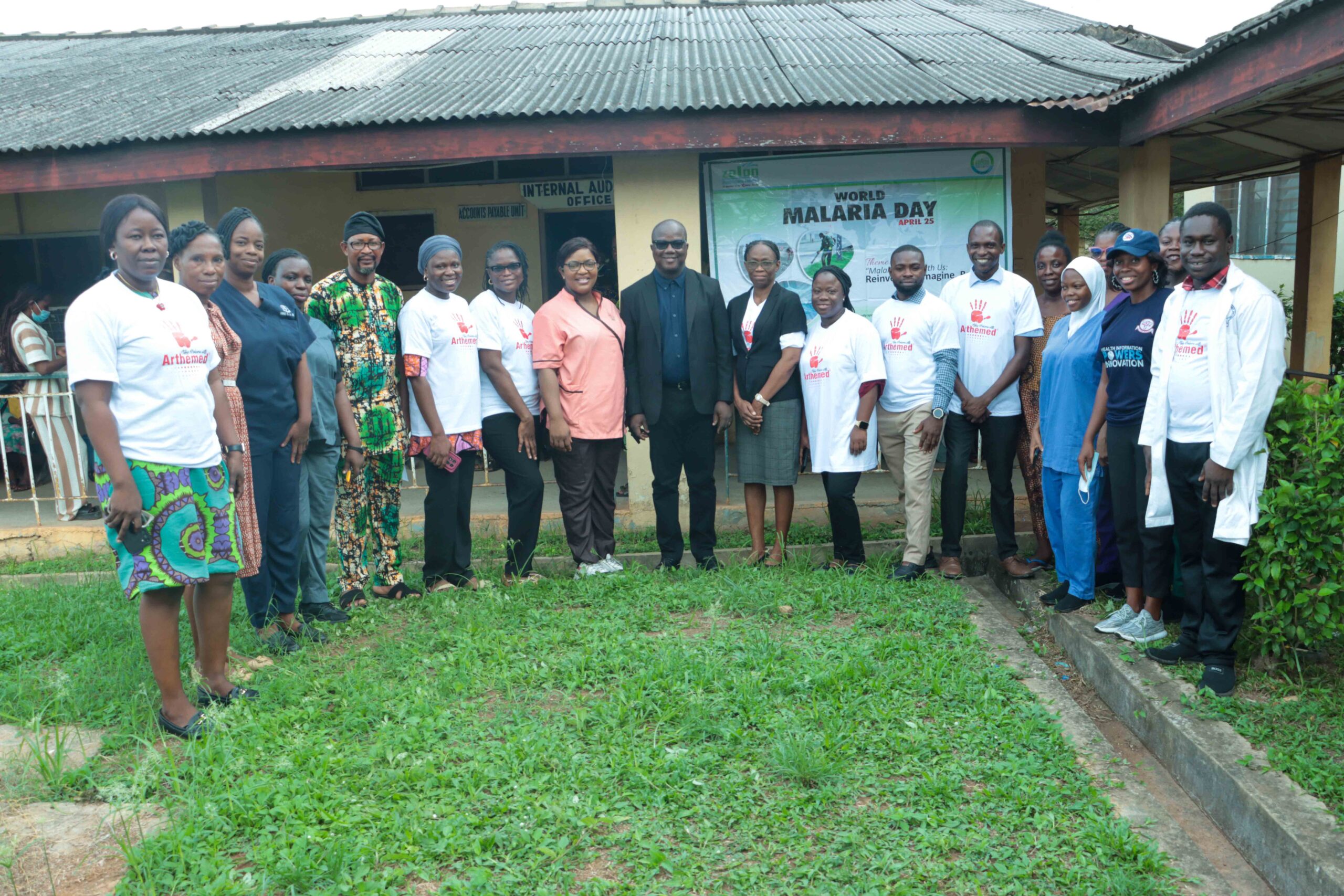
The Obafemi Awolowo University Teaching Hospitals Complex (OAUTHC), Ile-Ife, Osun State, commemorated World Malaria Day with an awareness and outreach programme held at the General Out-Patient Department of the hospital.
The event, themed “Driven to End Malaria: Now We Can, Now We Must,” brought together healthcare professionals, patients, and members of the public to emphasize the urgent need to combat malaria through collective action and preventive measures.

Delivering a health talk at the programme, Nurse Monsurat Aderibigbe sensitized attendees to the dangers of malaria, stressing that the disease should not be taken lightly. She highlighted the importance of the consistent use of mosquito nets, proper environmental sanitation, and the elimination of stagnant water where mosquitoes breed. She further encouraged individuals to seek prompt medical attention when they experience symptoms such as fever, headache, and body weakness.

Speaking at the event, Dr. Emmanuel Akande reiterated that malaria remains a major public health concern in Nigeria and requires a united effort to tackle. He emphasized that “all hands must be on deck” in the fight against malaria, noting that prevention, early diagnosis, and treatment are critical to reducing its burden. As part of the initiative, he announced free malaria testing for all attendees at the clinic, a move aimed at promoting early detection and treatment.

The programme also featured interactive sessions, where participants asked questions and received guidance on effective malaria prevention strategies, including the use of insecticide-treated nets, indoor spraying, and maintaining clean surroundings.

In attendance at the event were Dr. Akinjide Ogundokun, Dr. Bridget Omisore, and Matron Olubunmi Akinola, alongside other members of staff who contributed to the success of the programme.
The outreach forms part of OAUTHC’s continued commitment to improving community health and supporting global efforts to eliminate malaria. Organizers expressed optimism that increased awareness and community participation will significantly reduce malaria cases and move the country closer to achieving a malaria-free future.